Introduction
The gaming industry has developed into a worldwide digital environment where technology, creativity, teamwork, and competition come together. Modern video games offer much more than entertainment at home. They create opportunities for players to demonstrate their abilities, connect with other gaming enthusiasts, and participate in organized events. Competitive gaming has become an important part of this transformation, supported by powerful devices, reliable internet connections, advanced software, and professional broadcasting systems.
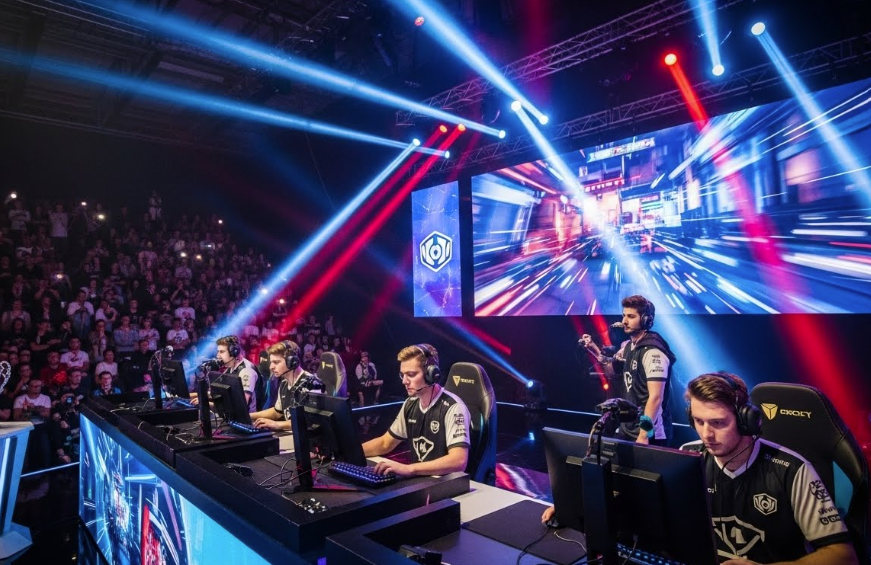
One important part of this culture is Turnamen Esports, which represents organized competitive gaming events where individuals or teams participate in structured matches. These events can take place online, inside dedicated gaming venues, or through a combination of both formats. Behind every successful event is a collection of technologies that help participants connect, manage matches, communicate, and share their performances with viewers.
Understanding these technologies provides a clearer picture of how competitive gaming operates and why the industry continues to attract attention from players, developers, and technology enthusiasts.
How Digital Platforms Support Competitive Gaming
Tournament platforms are among the most important tools used in modern competitive gaming. They help organizers manage registrations, participant information, match schedules, team details, and competition progress. Instead of handling every task manually, administrators can use digital systems to keep important information organized.
A well-designed platform can provide participants with clear instructions before an event begins. Players may be able to create profiles, enter their team information, review schedules, and receive updates through a central interface. This reduces confusion and makes event management more efficient.
During Turnamen Esports, digital management tools can also help organizers publish match brackets and update results. Participants can check their progress without repeatedly contacting administrators. Viewers may also use these systems to follow match schedules and understand how the competition is developing.
User experience is an important part of platform design. Simple navigation, readable information, responsive pages, and mobile compatibility can make these services easier to use. As competitive gaming grows, platforms that combine convenience with dependable performance will remain valuable to the community.
See also: The Future of Cybersecurity Technology
Gaming Hardware and Player Performance
Hardware has a direct influence on the gaming experience. Competitive players often depend on equipment that can respond quickly and operate consistently during demanding sessions. Even small performance differences can affect how a game feels, particularly when precise timing and fast reactions are important.
Gaming computers usually combine powerful processors, dedicated graphics cards, sufficient memory, and fast storage. The processor handles many background calculations, while the graphics card produces the visual information displayed on the monitor. Adequate memory helps the system manage active applications, and solid-state storage can reduce loading times.
Monitors are another important component. A higher refresh rate allows the display to update more frequently, creating smoother movement when supported by the computer and game. Response time also matters because it influences how quickly pixels change between visual states.
Players may also use mechanical or responsive keyboards, gaming mice, controllers, and comfortable headsets. These accessories should match individual preferences rather than simply following popular trends. A device that feels comfortable and reliable can help a player maintain consistency during long practice sessions.
For event organizers, maintaining consistent equipment is equally important. Providing comparable systems and checking every station before matches begin can help create a more balanced environment.
The Importance of Stable Network Connections
Internet technology is one of the foundations of online competitive gaming. Players need reliable communication with game servers so that their actions can be processed and reflected accurately. A weak connection can cause delays, unexpected interruptions, and inconsistent performance.
Latency, commonly called ping, describes the time required for information to travel between a player’s device and a server. Lower latency generally creates a more responsive experience. However, connection quality is not determined by speed alone. Stability, packet loss, network congestion, and routing also influence performance.
Organizers of Turnamen Esports must consider these factors when selecting server locations and preparing network infrastructure. Participants connecting from distant regions may experience different response times, even when they have fast internet packages.
For in-person events, dedicated network equipment can help manage traffic more effectively. Routers, switches, Ethernet connections, and carefully planned network layouts allow technical teams to support multiple gaming stations. Testing the complete setup before the event can reveal problems before participants begin playing.
A reliable network is not only important for players. Broadcast teams, administrators, and technical staff also depend on connectivity to coordinate their responsibilities.
Streaming Technology and Live Broadcasting
Live streaming has changed how people experience competitive gaming. Previously, viewers generally needed to attend an event physically to watch matches. Today, online broadcasting allows audiences to follow gameplay from different locations using computers, smartphones, tablets, and smart televisions.
A professional broadcast involves several technical elements. Cameras capture the event environment, microphones record commentary, and production computers manage video and audio signals. Streaming software combines gameplay footage, graphics, score information, and other visual elements into a presentation that viewers can follow.
Commentators also contribute to the experience by explaining important moments, discussing player decisions, and helping audiences understand complex gameplay situations.
During Turnamen Esports, organizers may use multiple camera angles and dedicated observers to capture important action. Graphics can display team names, match information, player details, and updated results. These features make broadcasts easier to understand, especially for people who are new to a particular game.
Broadcast quality depends on more than powerful computers. Stable internet connections, clear audio, trained production staff, and suitable streaming settings all contribute to a professional result.
Artificial Intelligence in Gaming Technology
Artificial intelligence is becoming an increasingly useful tool in the gaming industry. Developers use AI techniques to create more responsive computer-controlled characters, improve testing processes, and analyze different aspects of game behavior.
In competitive gaming, data analysis can help players understand their strengths and weaknesses. Performance tools may record information such as reaction patterns, accuracy, movement, and decision-making. Reviewing this information can help individuals identify areas that need improvement.
Coaches can also use analytical tools to study team coordination. They may review recorded matches, examine communication patterns, and identify repeated mistakes. This creates opportunities for more organized training sessions.
AI can also support event operations. Automated systems may assist with organizing information, identifying unusual technical activity, and helping administrators process large amounts of data. Human supervision remains important, particularly when decisions affect participants.
As these tools improve, Turnamen Esports may benefit from more detailed performance analysis and efficient event management. The goal should be to support fair participation and better preparation rather than remove the human skills that make competitive gaming interesting.
Mobile Technology and Accessible Competitions
Mobile devices have expanded access to competitive gaming. Modern smartphones contain advanced processors, improved graphics capabilities, high-quality displays, and wireless communication features. These developments allow many players to participate without purchasing a dedicated gaming computer or console.
Mobile gaming also offers flexibility. Players can practice at home, communicate with teammates, and participate in supported online events through a portable device. This convenience has helped competitive gaming reach people who may not have access to traditional gaming equipment.
However, mobile performance depends on several factors. Device temperature, battery condition, available memory, screen responsiveness, and network stability can all influence the experience.
Organizers should establish clear device requirements before an event. They should also test wireless networks under realistic conditions because many devices operating in one location can create additional connectivity demands.
A properly prepared mobile environment helps participants focus on their skills instead of dealing with avoidable technical interruptions.
Cybersecurity and Fair Participation
Digital security is essential for every organized online activity. Gaming accounts may contain personal information, communication records, device details, and saved progress. Protecting this information helps maintain trust between players and service providers.
Strong passwords and two-factor authentication are useful starting points. Participants should avoid sharing account credentials and should be cautious when opening unfamiliar links. Organizers should communicate through official channels and provide clear instructions about registration and account verification.
Fair participation also depends on transparent rules and appropriate technical controls. Organizers should explain equipment requirements, match procedures, communication expectations, and methods for reporting technical problems.
For Turnamen Esports, clear administration can help prevent misunderstandings and create a more welcoming environment. Match officials should understand the competition rules and have a consistent process for handling interruptions or disputes.
Security measures should be designed carefully so that they protect participants without collecting unnecessary personal information. Responsible data management is an important part of building confidence in digital gaming communities.
The Role of Team Communication
Technology can connect players, but effective communication helps them work together. Team-based games often require participants to share information quickly, coordinate movement, and adjust their plans when situations change.
Voice communication is especially useful because players can exchange instructions without stopping their activity. Text messaging and community platforms provide additional ways to organize practice sessions and discuss strategies.
A good communication environment should be clear, respectful, and organized. Teams can assign responsibilities, agree on simple communication methods, and review important moments after each session.
Digital collaboration tools also allow players to connect with coaches and teammates who live in different locations. Shared schedules, recorded sessions, and online discussion spaces make it easier to maintain consistent preparation.
This combination of communication and technology gives competitive gaming a strong social dimension. Players develop not only technical skills but also teamwork, discipline, and problem-solving abilities.
What the Future May Bring
The future of competitive gaming will likely involve continued improvements in hardware, networking, artificial intelligence, and broadcasting. Cloud-based systems may provide new ways to access demanding games, while improved wireless infrastructure could support more flexible event formats.
Virtual reality and augmented reality may also introduce new forms of interactive competition. These technologies can create environments where digital elements respond to physical movement, offering experiences that differ from traditional screen-based games.
Another important development is cross-platform compatibility. When developers support multiple devices, players may gain more opportunities to connect with friends and participate in shared communities. However, developers must consider differences in controls, performance, and technical capabilities to maintain balanced experiences.
Organizers will also need to adapt. Future events may use more advanced production equipment, automated administrative tools, and detailed performance systems. Despite these developments, successful events will continue to depend on thoughtful planning, reliable equipment, and people who understand the needs of participants.
Conclusion
Competitive gaming is supported by a wide range of technologies that work together to create organized and engaging experiences. Tournament platforms manage participants and schedules, powerful hardware supports gameplay, reliable networks connect players, and broadcasting systems bring matches to wider audiences.
The development of Turnamen Esports demonstrates how digital entertainment can combine technical innovation with teamwork, communication, and community participation. Artificial intelligence, mobile devices, cybersecurity, and improved streaming tools are all contributing to the industry’s growth.
As technology continues to advance, competitive gaming will have more opportunities to become accessible, professional, and inclusive. The most successful developments will be those that improve the experience for players and viewers while maintaining reliability, security, and fair participation.
